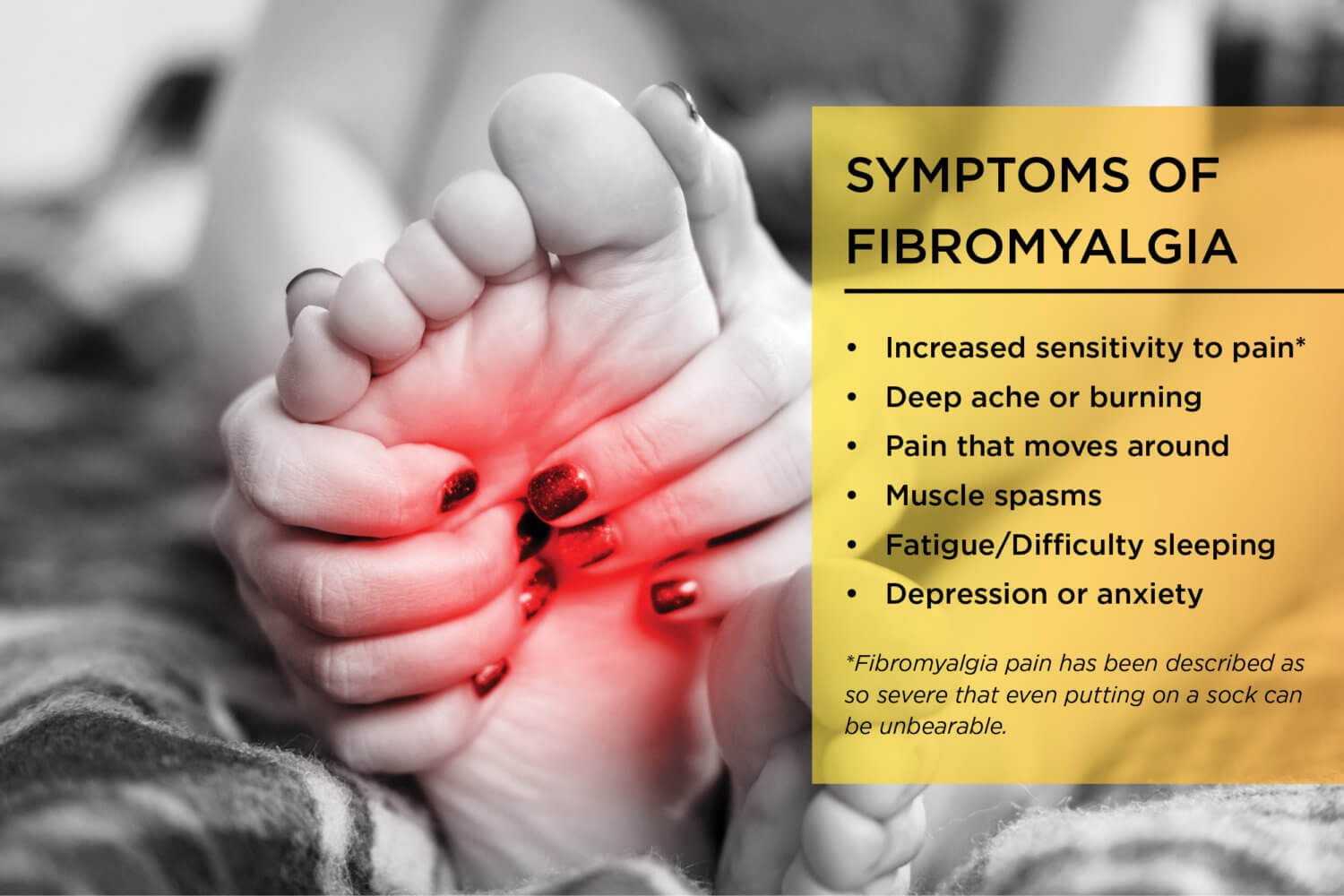
If you could eliminate ONE symptom of fibromyalgia today… which would you choose.
Lifestyle Changes

When the symptoms of fibromyalgia seem overwhelming or worse than usual, there are self-help methods to reduce your discomfort and make you feel better about yourself. Making certain lifestyle changes to ease fibromyalgia symptoms will also give you a greater sense of control. Below are just a few examples of strategies you can incorporate into your daily care.
Soothing Sore Muscles
Trigger Point Massage: The firm, rock-like knots in your muscles are myofascial trigger points or MTPs. Not only do they hurt, but they also radiate pain and restrict movement.1 You can learn various techniques to massage or minimize your MTPs. One approach is to apply gentle pressure to the nodule (see our section on Muscle Pain Relief). The pressure should only produce a mild discomfort, but not to the point of pain.
You can use your finger, or for hard-to-reach locations, a Thera Cane device is helpful. Apply gentle pressure for 10 to 15 seconds. You should feel the discomfort melt. A Thera Cane can be purchased on Amazon for $35 and a video demo is available at www.theracane.com.
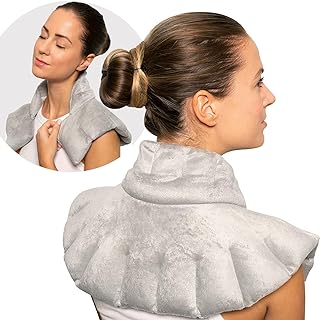
Hot Water and Heat Wraps: Shower, hot tub or bath can ease stiffness in the morning and pain before bedtime. During the middle of the day, use a microwavable heat wrap to relieve pain and muscle tightness. Try the Bed Buddy for the neck/shoulder region, which is typically the most troublesome area. Heat relaxes muscles and improves circulation. See Heat Treats Fibro Pain.
Air-Activate kod Heat Pads: If wearing a microwavable heat wrap is not convenient, try air-activated pads (e.g., ThermaCare or generics). They have an adhesive backing and can be applied to a particularly painful area.
Topicals: Always have a topical on hand for easing regional pain. Examples include patches containing lidocaine (4% is over the counter while 5% requires a script) and creams containing menthol, camphor, salicylate (aspirin) or magnesium.
Hand-Held Massagers/Pads: Go for the “gentler” settings. Also, if you can afford one that supplies heat, that may provide extra pain relief.
TENS Unit: Wear a transcutaneous electrical nerve stimulation (TENS) device on bad days. They help stimulate endorphin (opioid) production, but not everyone responds favorably.2
Pacing Activities
Conserve Energy: Fatigue is the second worse symptom of fibromyalgia. Learn to set limits, reduce stress, and better manage your time. Pace yourself throughout the day to avoid feeling like you are slammed against the wall before dinner. See our article Fatigue in Fibromyalgia. It contains advice from three fibromyalgia treatment experts and includes helpful lifestyle changes.
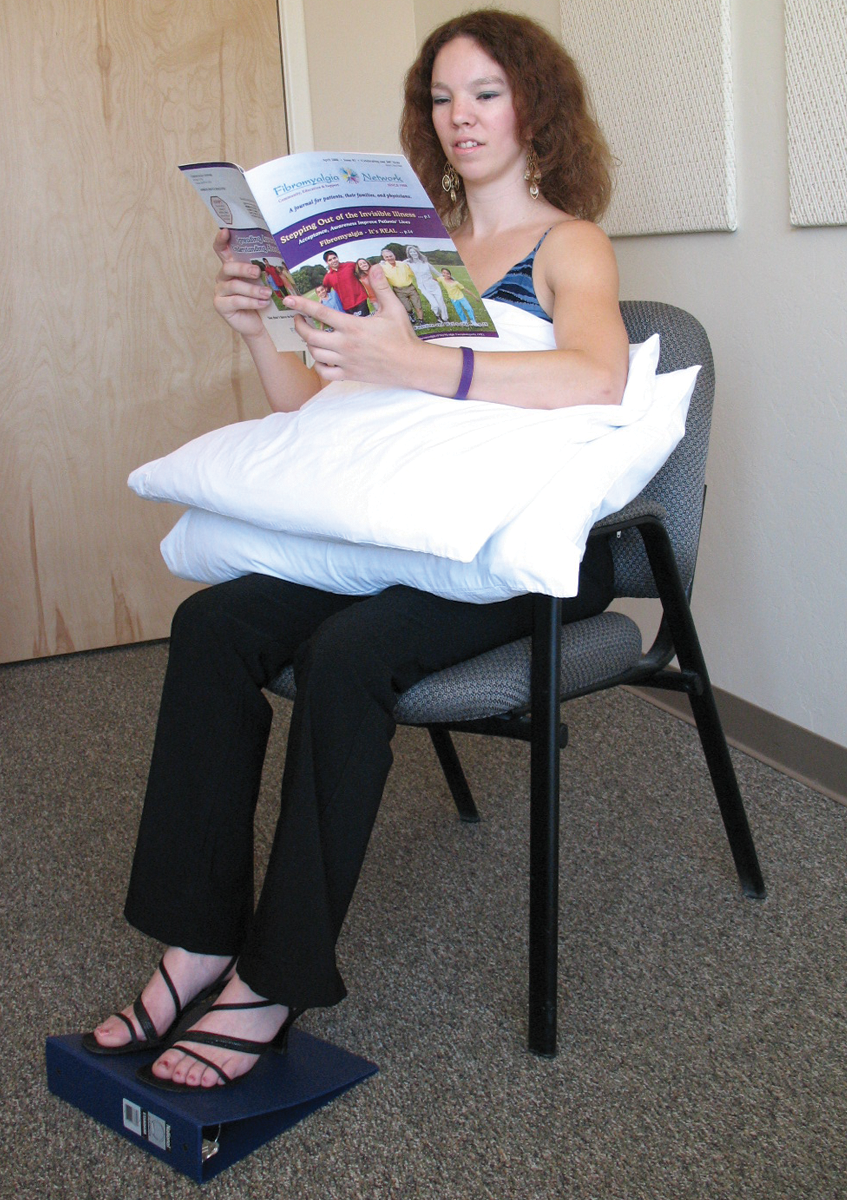
Move Wisely: Learn ergonomic ways to do tasks that minimize the strain on your muscles. For example, test the weight of grocery bags before grabbing them out of your car trunk and pulling a muscle. Also, prop yourself up with pillows to take the strain of gravity off your achy body. Research shows that fibromyalgia muscles fatigue faster than normal.
Time Management: If you have not yet done so, keep a journal of everything you do for one week. Then go through your list of activities and ask yourself: Is this essential, and if so, can I do it differently to expend less time or energy? You will be surprised by how many tasks don’t seem important now that you have fibromyalgia. Cut these activities from your daily routine.
Scheduling of Activities: The most important items on your “To Do” list should be scheduled when you feel the best. Research indicates this time is generally between 10 a.m. and 4 p.m. Early mornings are difficult because you wake up stiff and achy, while your energy level may plummet before dinner time. Take note of when you feel the best and schedule important tasks during this window of time.
Rest Breaks: Lie down and zone out two times a day for 10 minutes. This recharges your batteries and quiets the chatter in your brain. During these breaks, focus on slow but deep breathing to relax the tension in your body.
Sleep Schedule
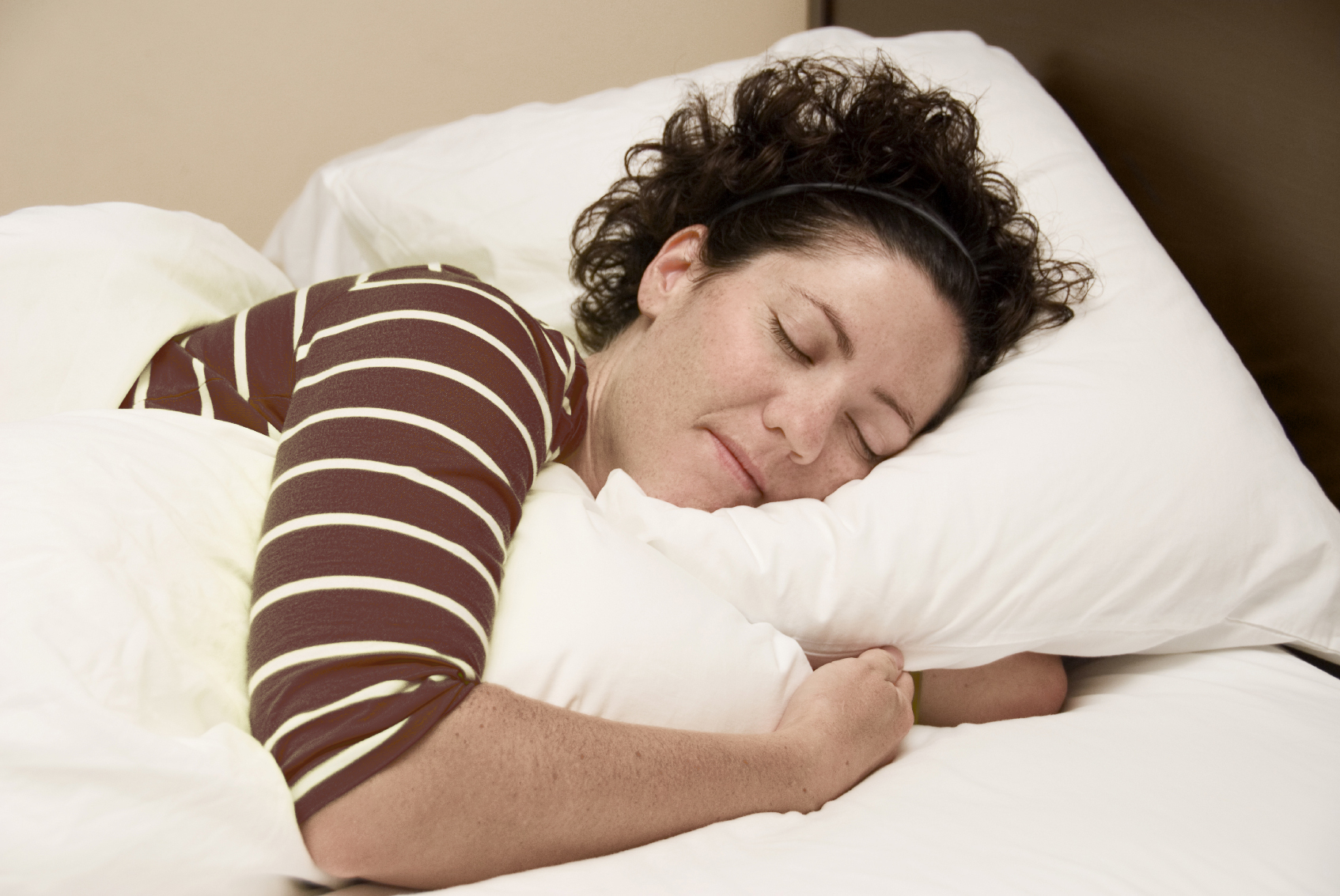
Work with Your Clock: You have an area in your brain called your master clock. It regulates when the sleep-promoting hormone, melatonin, peaks in the evening around 10 p.m. And just like clockwork, your body’s wake-promoting substances are released in the morning around 6 a.m. Ideally, you want to focus on sleep between 10 p.m. and 6 a.m.
Keep Same Schedule: Maintaining a consistent sleep schedule should help optimize the quality of your sleep. Better sleep quality is tied to reduced pain, better mood, and improved digestion in people with fibromyalgia.3 If falling asleep is troublesome (most fibromyalgia patients find this to be the case), establish a routine that eases you into sleep. For some people, this will include a bath or shower 30-60 minutes before bedtime. For others, soothing music helps. Try to find something that takes your mind off the pain and cancels out the chatter in your brain.
Nighttime Comfort: Most fibromyalgia patients prefer a softer bed. If you can’t afford a new mattress, consider an under-quilt or adding additional foam underneath the mattress cover. On cold nights, heated mattress covers or heated blankets are beneficial (also wear thick socks). The point is, a few lifestyle changes to increase nighttime comfort will improve your sleep and reduce fibromyalgia pain.
What to Avoid
Cold Drafts: Just as moist heat helps your muscles relax, cool drafty air tends to cause them to tense up and hurt.
Repetitive Motions: Minimize using the same muscle groups to perform tasks. Also, try to reduce the constant strain on your postural muscles. One study shows repetitive muscle use makes fibromyalgia pain worse. Muscles containing trigger points fatigue easier and cause your pain to spread. For more help, see our article: Managing Fibromyalgia Pain.
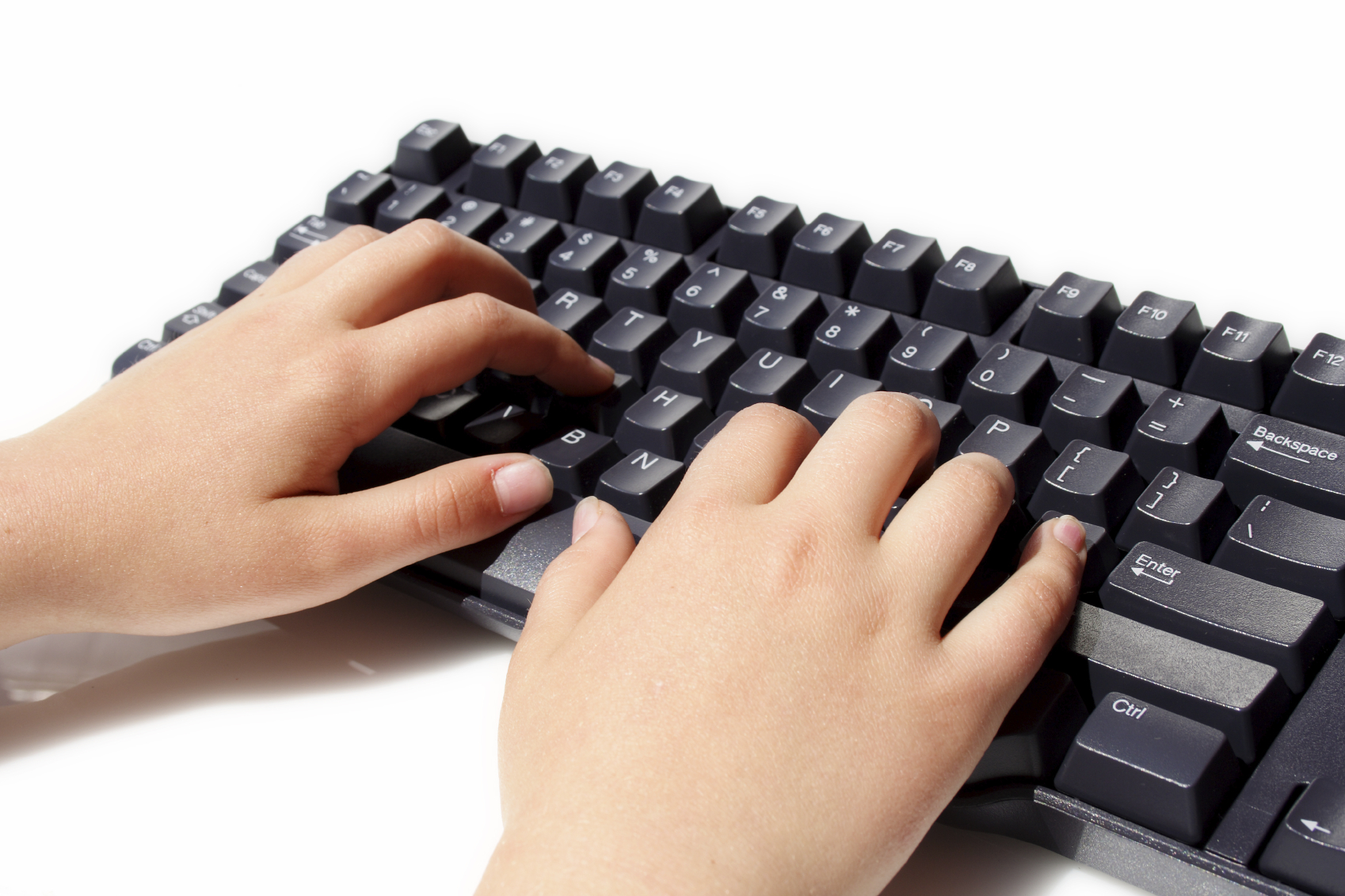
Leaning Forward: Working with your arms out in front of you or leaning over a computer keyboard may amplify your overall pain. It also strains your neck, shoulder, and back muscles. Find more ergonomic ways to move. For example, consider stacking your skeleton to keep your head over your shoulders and your shoulders over your hips. Maintaining an upright posture and preventing muscle strain are two important lifestyle changes for managing fibromyalgia.
Overdoing It: Getting extra work done on days when symptoms are mild will likely land you in bed the next day. Resist the temptation to overdo it. On the other hand, try maintaining a fitness program to prevent your muscles from atrophying. Admittedly, finding mild exercises that do not flare your fibromyalgia symptoms is a challenge.4 See our section on Fibro-Friendly Exercises.
Unsettling Foods: Irritable stomach and bowel are common in fibromyalgia.5 If certain foods make your symptoms worse, try avoiding them (one at a time). Check our Diet & Nutrition section for the most common food offenders.
Stress: This word is often overused as the scapegoat for all that ails you. Even though it does not cause fibromyalgia, it will drain your limited energy supply.
Sensory Overload: Research shows that bright or flashing lights, bold colors, loud noises, and strong odors can make your symptoms worse.6 Guard against them!
Comfort Aids
Dress for Fibro: Wear loose-fitting clothes and comfortable shoes. Fibromyalgia patients have sensitive skin, so soft materials (such as knitted cotton blends) are best. Also, remove irritating tags or you will be scratching your pain-sensitive skin all day. Fashionable attire may look terrific on you, but it is how you feel that really counts.
Living Aids: Examples include heated blankets, various pillows to provide lumbar and neck support (even for your car), sole inserts for shoes, comfy stool for places you spend time (e.g., kitchen or garage), or a small stool for the shower (so you can enjoy the warm water without straining muscles). Have a stepstool handy for reaching hard to get objects off top shelves. If you spend lots of time in a car or at a desk, equip it with a few comfort aids. Adding up all these simple lifestyle changes can favorably impact your fibromyalgia.
Positive Outlook

Remain Calm: If you notice your symptoms are getting worse, the best thing you can do is remain calm and tell yourself not to panic. You have been through the ups and downs of fibromyalgia before, so draw on the self-help approaches that have pulled you through past flare-ups.
Avoid Comparisons: It is natural for people to compare their abilities now with what they could do before fibromyalgia came knocking. These types of comparisons will not change anything, but they can bring you down and hurt your self-esteem.
Be Optimistic: Keeping an optimistic outlook is a 24/7 job. Make sure you are getting plenty of sleep and if you find your mood sliding, talk to your doctor about treatment.
Ignore Insensitive Comments (as much as possible): The invisible nature of your symptoms can make the people around you insensitive to your daily struggles. It is frustrating when others think you are sandbagging it. Try to stay confident about asserting your needs, such as getting extra rest. And keep in mind that hurtful comments are a sign of ignorance and don’t let them get the better of you.
See our Coping Advice section for additional suggestions.
Stay Current on Treatments & Research News: Sign up for a Free Membership today
How to recognize fibromyalgia flares and what to do about them
Some people with fibromyalgia may experience certain symptoms regularly. However, the pain associated with fibromyalgia tends to fluctuate and worsen.
When symptoms temporarily increase in number or intensity, it is called a flare or flare-up. A flare-up can last anywhere from a few days to weeks.
When fibromyalgia pains flare up, every activity can seem more difficult. All people experience flares differently, and there can be different triggers depending on the person.
This article discusses the symptoms of fibromyalgia flares, their causes, and how to manage them.
Scientists estimate that around 4 million adults in the United States have fibromyalgia. People who were assigned female at birth are twice as likely to have fibromyalgia as those assigned male at birth. Children can have fibromyalgia, but it is more common in older adults.
The main symptom of fibromyalgia is widespread pain. People may also experience stiffness and tenderness of the muscles, tendons, and joints. The individual symptoms differ from one person to another. Symptoms can vary in intensity and come and go.
Symptoms of fibromyalgia may include:
pain throughout the body, particularly in the back or neck
extreme sensitivity to touch, light, smoke, and certain foods
stiffness when staying in the same position for long periods
muscles spasms
poor quality sleep
fatigue
trouble with memory and concentration referred to as “fibro fog”
slow or confused speech
frequent headaches or migraine
irritable bowel syndrome (IBS)
Someone with fibromyalgia may
sometimes experience clumsiness, dizzy spells, feeling too hot or cold, painful periods, restless legs syndrome, and numbness or tingling in hands and feet.
Daily pain and sleep deprivation can cause problems at home and work. The stress of coping with a condition can also lead to anxiety and depression.
Flare-ups can happen without warning but often have noticeable triggers.
The exact cause of fibromyalgia is unknown. However, changes in brain chemical levels and central nervous system function may play a role. However, research is ongoing.
Periods of physical or emotional stress are common triggers for fibromyalgia. This may include:
- giving birth
- injury or infection
- large operations
- large life changes
- dealing with grief
Other factors may trigger a fibromyalgia flare-up, including:
- lack of sleep
- exhaustion
- temperature or weather changes
- diet changes
- hormonal imbalances
People may be at more risk of fibromyalgia if they have a rheumatic disease. Rheumatic diseases affect the bones, muscles, and joints. They include:
- osteoarthritis
- rheumatoid arthritis
- lupus
- ankylosing spondylitis